Friday, June 15, 2012

What is a CFL?


CFL's are energy-saving light bulbs that use between one third and one fifth of the energy, and have between eight and fifteen times the life, of an incandescent bulb. In both homes and commercial buildings, CFLs are substantially more cost effective than incandescent lamps.

At the end of this post you can find a list of different CFLs and what they're best used for.

Are CFL's dangerous?

You may have heard about mercury in CFLs. Mercury is a toxic element that is found in older thermometers and thermostats, among other things. If CFLs are so eco-friendly, why do they have mercury? CFLs contain between 1-5 mg of mercury, depending on the company. The average amount of mercury in a thermometer is 500mg, over 100x more than the CFL.
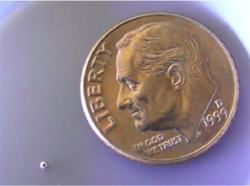
The amount of mercury in a typical CFL.
Mercury is part of any home lighting – it’s a common emission from coal-fired power plants (which supply 70% of power in Colorado). Since CFLs use less electricity than incandescent bulbs, they emit less mercury in the production phase. So when we combine the amount of mercury emitted to make the electricity to light the bulbs and the amount contained in the bulb itself, standard incandescent bulbs create about three times as much mercury pollution as CFLs. (The U.S. Environmental Protection Agency report).

Based on this information, we can see that CFLs can save money, energy, and keep pollution from our environment, when compared to incandescent bulbs. For more info visit these links

What if your CFL breaks? Check out an article here about proper disposal.


Those swirly bulbs
Most people know CFLs as "those swirly bulbs". Originally, CFLs almost always came in that characteristic spiral shape. Now, however, you can find almost any shape and style of CFL to fit your existing lamps, fixtures, and even pretty ones over the bathroom mirror.


Spiral Lamps:
Often called the "swirly" bulb, this lamp casts light similarly to incandescent bulbs and is the most popular of the incandescent bulbs. 

Twin Tube Lamps:
This CFL has two parallel tubes. These are best used for certain lamps, task lights, recessed ceiling lights, and wall lights. 

Quad Tube Lamps:
With four tubes, this lamp gives about the same light as the twin tube, but is hall the length. This type is then good for similar, but smaller fixtures that the twin tubes are used for. 

Triple Blax Lamps:
These bulbs generate more light and are smaller than the twin and quad lamps. They are commonly used in fixtures designed for incandescent bulbs, such as table lamps. 

F Lamps:
F lamps have two twin tubes, but are aligned top to bottom instead of side to side like a Quad tube making the shape of the bulb resemble and F. This type of CFL is commonly used for task lights and low profile recessed fixtures. 

Circular (Circline) Lamps:
These are the CFL version of the circular fluorescent lights. These come in both cool and warm light so double check so you get what you want!

You can also find more decorative options, some that look like traditional incandescent bulbs, flood lights for outdoors, and more.


written by Roxanna Shohadaee

CFLs in the garbage can?! Oh no!


CFL Disposal

Even though CFLs last five to eight times longer than old incandescent bulbs, they will eventually stop working and need to be disposed of. So just toss them in the bin, right? No!


CFLs contain very small amounts of mercury, which is bad for our soil and water, so proper disposal helps keep us safe and healthy. CFLs also contain many useful resources that can actually be reused, reducing long-term costs and environmental impacts. So how do we dispose of them? 

If you have a dead bulb that is still whole, you have a few options:
1. -        Household hazardous waste facility: for Boulder County residents. They are open for drop off from 8:30- 4 p.m. Wednesday through Saturday. More information on the center can be found here. 
2. -        Home Depot: this major retailer has CFL recycling bins available for residents to drop off bulbs during store hours. Easy way to make sure they’re taken care of properly!


What if my CFL is broken?


Because of the small amount of mercury within a CFL, it’s good to follow clean-up guidelines from the US Environmental Protection Agency. A spill of this size is not likely to hurt you or your family, and there is no need to panic. 

Just follow the steps below: 


Before Cleanup
  • Have people and pets leave the room.
  • Air out the room for 5-10 minutes by opening a window or door to the outdoor environment. 
  • Shut off the central forced air heating/air-conditioning system, if you have one.
  • Collect materials needed to clean up broken bulb: 
    • stiff paper or cardboard;
    • sticky tape;
    • damp paper towels or disposable wet wipes (for hard surfaces); and
    • a glass jar with a metal lid or a sealable plastic bag.

During Cleanup
  • DO NOT VACUUM.  Vacuuming is not recommended unless broken glass remains after all other cleanup steps have been taken.  Vacuuming could spread mercury-containing powder or mercury vapor.
  • Be thorough in collecting broken glass and visible powder.
  • Place cleanup materials in a sealable container.

After Cleanup
  • Promptly place all bulb debris and cleanup materials, including vacuum cleaner bags, outdoors in a trash container or protected area until materials can be disposed of.  Avoid leaving any bulb fragments or cleanup materials indoors. 
  • Next, check with your local government about disposal requirements in your area, because some localities require fluorescent bulbs (broken or unbroken) be taken to a local recycling center. If there is no such requirement in your area, you can dispose of the materials with your household trash.
  • If practical, continue to air out the room where the bulb was broken and leave the heating/air conditioning system shut off for several hours.


Why is it important to clean up a broken CFL properly?
CFLs and other fluorescent light bulbs contain a small amount of mercury sealed within the glass tubing. When a fluorescent bulb breaks in your home, some of this mercury is released as mercury vapor. To minimize exposure to mercury vapor, EPA recommends that residents follow the cleanup and disposal steps described on this page. 

What if I can't follow all the recommended steps? or I cleaned up a CFL but didn't do it properly?
Don't be alarmed; these steps are only precautions that reflect best practices for cleaning up a broken CFL. Keep in mind that CFLs contain a very small amount of mercury -- less than 1/100th of the amount in a mercury thermometer. 
However, if you are concerned about the risk to your health from a potential exposure to mercury,  consult your physician.


Below are sources that you should check out yourself if you have any more questions. 
Make the switch, make a change, for you, and for the planet. 


sources:
Scientific American
Tree Hugger
EnergyStar


written by Roxanna Shohadaee

Friday, May 4, 2012

Colorado Green Building Guild


CGBG

The Colorado Green Building Guild, (recently known as the Boulder Green Building Guild) is a non-profit trade organization representing a wide range of green building leaders. This organization has an incredible list of resources for business owners, homeowners, building professionals and anyone interested in the subject. They are well known for their workshops and helpful newsletters. Whether you are looking for a job, looking for a contractor, looking for information, or looking to volunteer, those resources are very accessible to you through their website. CGBG is also responsible for Footprint Radio, a radio talk show focusing on green building, conscious living, and shaping sustainable futures. This airs on KGNU 88.5 FM on the third Thursday of every other month at 8:35 am! Or catch up on their latest topics in the “At Home” section of the Daily Camera every Thursday.


written by Roxanna Shohadaee

Thursday, May 3, 2012

Community Partners


Highlighting and Connecting with our partners in the community

EnergySmart is a collaborative effort across Boulder County. Boulder County is a thriving community working together for a better future. In the Community Partners category, we will highlight some of the organizations, groups, and people doing great sustainability-related work here in Boulder County (and surrounding area). We will announce new and exciting projects they may have coming up, and highlight exciting events  - some hosted by EnergySmart, and others happening in the community. Please contact us if there is something going on in the community that you think would be good to highlight!


written by Roxanna Shohadaee

Landscaping


Landscaping


"Colorado" comes from the Spanish word meaning colorful, and for good reason. When we observe this beautiful place it is full of colorful people, spaces, and places. What are some of the most colorful spaces in each neighborhood? Our yards! Whether small or big, it can be complicated to plan a sustainable yard.


Lets face it, the soil here is different and it can be challenging to know what to do, and what to plant!


Local Plants


One of the best ways to be efficient when gardening in Colorado is to use local plants. They generally do well in our soils, and require much less water than non-native plants. Save energy, water, and money and plant native! Check out this link to Boulder County's index of native plants.

see Gardening with Boulders Naitive Plants


Stay tuned for more tips under the Landscaping label!


written by Roxanna Shohadaee

Tuesday, May 1, 2012

Do-It-Yourself!


photo credit: amanda law

Wonder how you can be more energy efficient on your own? Well you've come to the right place. One category of our blog will be dedicated to collecting some helpful, accurate, and creative resources for you to tackle energy efficiency in your home or business. Whether you are a renter, a home-owner, or a business owner, you will be able to find tips and tools to help you do-it-yourself here.

To get started, here's a few low/no-cost ways to save energy today:
1.         Check your heating and cooling systems: Clean vents, replace dirty filters and program thermostats to account for different day and night temperatures
2.         Swap out light bulbs: As about 10% of a typical electric bill is eaten up by lighting, swap out high-wattage bulbs with CFL or LEDs from EnergySmart to start saving money now.
3.         Hunt for energy vampires: Unplug any unused devices in your home, even if they are turned off they are using energy.


written by Roxanna Shohadaee